
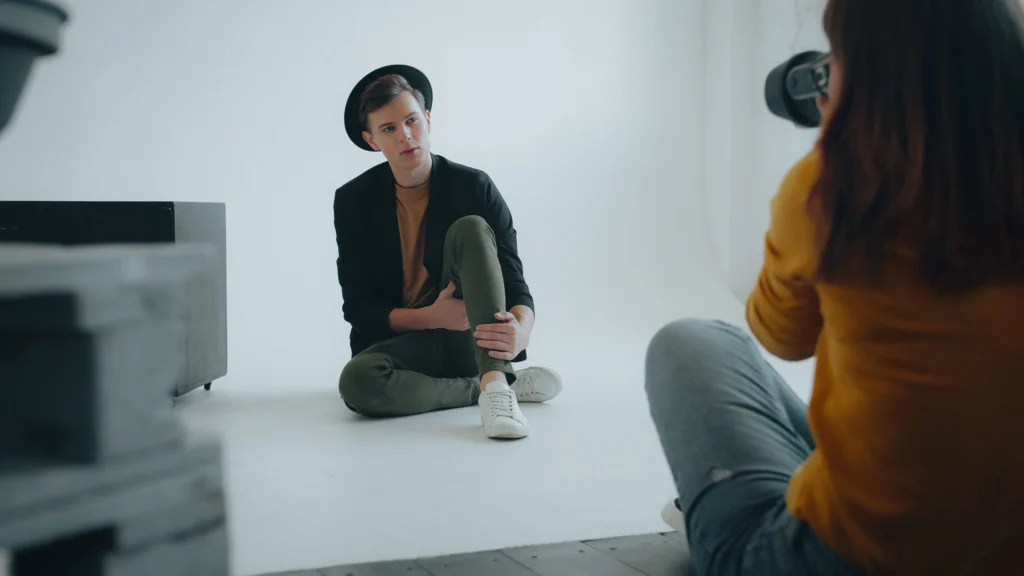

Quick answer: The best portrait photography tips are to use soft light, focus on the eyes, shoot with a lens between 50mm and 135mm, keep the background simple, and help your subject feel relaxed. Master these five habits first, and your portraits will look sharper, warmer, and more natural.
A great portrait does more than show a face. It captures a feeling. It tells the viewer who this person is and how they felt in that moment. Yet many beginners end up with flat, stiff, or poorly lit photos, even with a good camera.
The good news is that better portraits come from skill, not gear. This guide shares practical portrait photography tips on light, lenses, posing, composition, and editing. If you want to know how to take good portraits, you are in the right place. Each tip works with a DSLR, a mirrorless camera, or a phone.
What Makes a Good Portrait?
A good portrait has four things: a clear subject, flattering light, a clean background, and a real expression. If one is missing, the photo feels weak. If all four work together, even a simple snapshot can look professional.
Portrait work is a mix of technical and human skills. The technical side covers exposure, focus, and lens choice. The human side covers trust, direction, and mood. The portrait photography tips in this guide cover both sides.
Here is how the guide is organized:
- Gear and settings
- Light
- Composition and background
- Posing and expression
- Different types of subjects
- Editing and finishing
Why Portrait Photography Tips Matter
Portraits are personal. People use them for profile pictures, family albums, business sites, and social media. Viewers judge the photo, and sometimes the photographer, in seconds.
Learning simple portrait photography tips saves you time and frustration. Instead of guessing, you follow a clear process. You get more keepers per shoot, and your subjects feel more confident in front of the camera. Knowing how to take good portraits also helps you build a portfolio that attracts paying clients.
Gear and Camera Settings: Portrait Photography Tips for Beginners
1. Choose the Right Lens
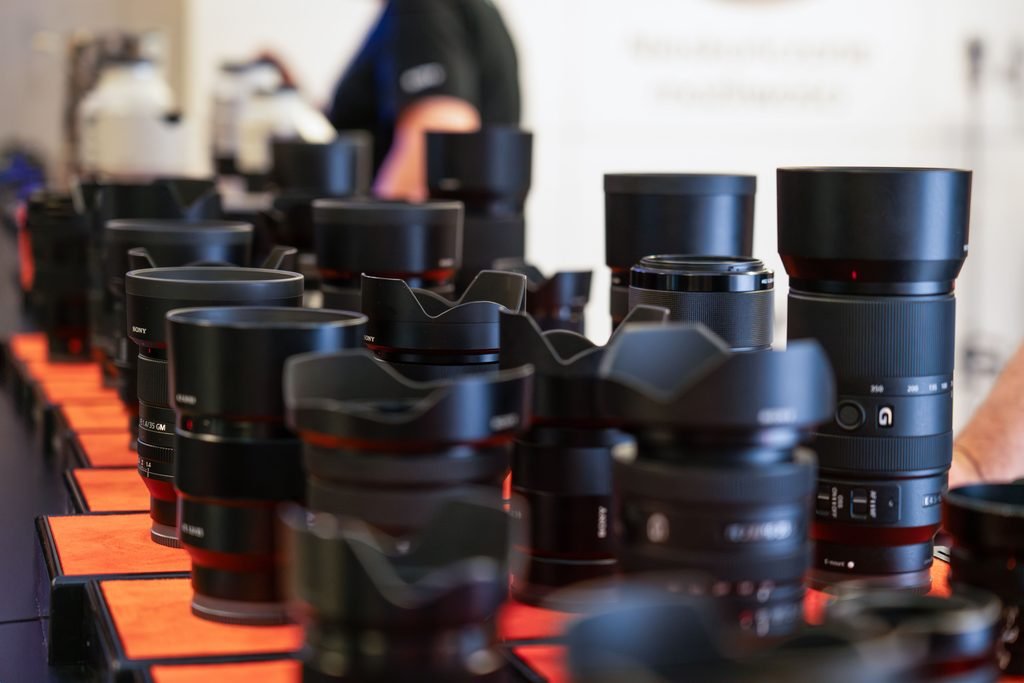
Lens choice changes how a face looks. Wide lenses stretch features and make noses look larger. Longer lenses compress the face and look more flattering.
For most portraits, a lens from 50mm to 135mm on a full-frame camera works best. An 85mm lens is a classic choice. It gives a natural look and a soft, blurred background. On a crop-sensor camera, a 50mm lens gives a similar effect. On a phone, use the portrait or 2x mode instead of the ultra-wide lens. Among all portrait photography tips, lens choice is one of the easiest ways to get a better result.
2. Use a Wide Aperture for Soft Backgrounds

A wide aperture, such as f/1.8 to f/2.8, blurs the background and makes your subject stand out. This soft blur is often called bokeh. It hides distractions and adds depth.
Do not go too wide, though. At f/1.4, only a sliver of the face may be sharp. For head-and-shoulder shots, f/2 to f/2.8 is a safe range. For group portraits, use f/4 to f/5.6 so everyone stays in focus.
3. Set a Safe Shutter Speed
Blur from motion ruins good portraits. A simple rule is to keep your shutter speed at or above the focal length. With an 85mm lens, use at least 1/125 second. For kids or active subjects, go to 1/250 or faster. This is one of the simplest portrait photography tips to remember on a busy shoot.
4. Keep ISO as Low as Light Allows
Low ISO gives clean skin tones with less noise. Start at ISO 100 outdoors. Raise it only when the shutter speed gets too slow. Modern cameras handle ISO 800 to 1600 well, so do not fear a higher setting when the light fades. These portrait photography tips on ISO help you balance quality and sharpness.
5. Shoot in RAW
RAW files keep far more detail than JPEGs. They let you fix white balance, recover highlights, and adjust skin tones without damage. For serious work, RAW is one of the most useful portrait photography tips you can adopt.
Light: Portrait Photography Tips for Beautiful Lighting
Light shapes a portrait more than any other factor. Good light flatters. Bad light adds shadows, squints, and harsh lines.
6. Use Soft Natural Light
Soft light wraps gently around the face. The best sources are open shade, overcast skies, and window light. Place your subject near a large window and let the light fall on one side of the face. This simple setup creates depth and soft shadows. Of all the portrait photography tips about light, window light is the easiest to try at home.
7. Shoot During Golden Hour
The hour after sunrise and the hour before sunset give warm, low, flattering light. Skin glows. Hair gets a soft rim of light. Ask your subject to face the sun slightly off to one side, or place the sun behind them for a glowing edge. Many portrait photography tips for outdoor work start with this timing.
8. Avoid Harsh Midday Sun
Overhead sun casts dark shadows under the eyes and nose. If you must shoot at midday, move into shade or use a diffuser to soften the light. A white sheet or a thin curtain can work in a pinch.
9. Use a Reflector
A reflector bounces light back into the shadows. White is soft and natural. Silver is brighter. Gold adds warmth. Hold it below the chin, angled up, to fill shadows and add a bright spark in the eyes. If you only add one accessory, make it a reflector. It is among the cheapest portrait photography tips that make a big difference.
10. Understand Basic Lighting Patterns
Studio photographers rely on a few classic patterns:
- Loop lighting: A small shadow of the nose falls toward the cheek. It suits most faces.
- Rembrandt lighting: A small triangle of light sits on the shadow-side cheek. It looks moody and dramatic.
- Butterfly lighting: Light comes from above and in front. It creates a butterfly-shaped shadow under the nose and is popular for beauty shots.
- Split lighting: Half the face is lit and half is in shadow. It looks bold and serious.
Try each one with a window and a reflector to see how the mood changes.
11. Watch for Catchlights
Catchlights are small bright reflections in the eyes. They bring a portrait to life. Place your subject so they face a window or a bright sky. If the eyes look dull, adjust the angle until you see a spark.
Focus and Composition: Portrait Photography Tips for Sharp, Balanced Photos
12. Focus on the Eyes
Sharp eyes make a portrait feel alive. Use single-point autofocus and place the point on the eye closest to the camera. If your camera has eye-detect autofocus, turn it on. Learning how to take good portraits starts with reliable focus.
13. Use the Rule of Thirds
Imagine your frame divided into a three-by-three grid. Place the eyes near the top line and put the subject slightly off-center. This feels natural and balanced. Leave a little extra space in the direction the subject faces. It gives the image room to breathe.
14. Simplify the Background
A busy background fights with your subject. Look for plain walls, green foliage, or open sky. Move your subject away from the background so it blurs more. Check for poles, signs, or branches that seem to grow out of the head. A small step left or right often fixes the problem. Clean backgrounds feature in nearly every list of portrait photography tips for a reason.
15. Get the Camera Angle Right
Shoot at eye level for a natural look. A slightly higher angle can look flattering and slims the face. A lower angle makes the subject look strong and tall, but may add a double chin. Avoid shooting up the nose. Small changes in angle can change the whole feel of a photo.
16. Frame With Purpose
Try different crops: full body, three-quarter, waist-up, and tight head shots. Avoid cutting at the joints, such as the ankles, knees, or wrists. Crop just above or below them instead. Use doorways, trees, or leading lines to draw attention to the subject.
17. Add Context With Environmental Portraits
Show the person in a place that tells their story. A chef in a kitchen, a musician with a guitar, or a child in a favorite park all add meaning. Keep the person large enough in the frame so the setting supports the portrait rather than overwhelms it.
Posing and Expression: Portrait Photography Tips for Natural Poses
Many people feel awkward in front of a camera. Your job is to make them comfortable. This is where portrait photography tips shift from technical to human.
18. Build Trust Before You Shoot
Talk before you lift the camera. Ask about their day, their work, or their pets. Show a few shots on the screen and praise what works. People relax when they feel safe, and relaxed people look better. Trust is the most overlooked of all portrait photography tips.
19. Give Clear, Simple Directions
Vague directions like “act natural” do not help. Instead, say, “Turn your shoulders slightly toward me,” or “Look just past my shoulder, then slowly back at me.” Give one instruction at a time and demonstrate the pose yourself. Clear direction is one of the portrait photography tips that separates beginners from pros.
20. Pose the Hands and Shoulders
Hands often look awkward. Give them a job: holding a cup, touching a collar, resting in a pocket, or lightly touching the hair. Angle the shoulders away from the camera, then turn the face back toward it. This slims the body and adds shape.
21. Fix the Chin and Jawline
A common trick is to push the forehead slightly toward the camera and lower the chin. This defines the jaw and avoids a double chin. Do not overdo it, or the neck will look strained. Small moves work best.
22. Capture Real Expressions
A forced smile looks stiff. Ask a funny question, tell a short joke, or let the person laugh at themselves. Keep shooting between poses, since the best expressions often come right after a laugh. Candid moments make up many of the best portraits.
23. Use Prompts, Not Just Poses
Prompts create natural movement. Ask the person to walk toward you, adjust their jacket, look at someone off-frame, or play with their hair. Shoot in bursts so you catch the small in-between moments. Among portrait photography tips for natural results, prompts are a favorite of working pros.
How to Take Good Portraits of Different Subjects
Each type of subject brings its own challenges. Adjust your approach to fit.
Portraits of Men and Women
Avoid heavy retouching on skin texture, especially for men. For women, soft light and gentle angles are usually flattering. Ask each person how they like to look, and listen.
Portraits of Children
Be patient. Keep sessions short and playful. Get down to their level, use a faster shutter speed, and let them move. Photograph them while they play, rather than demanding a smile. Knowing how to take good portraits of kids means following their energy.
Family and Group Portraits
Use a smaller aperture, such as f/5.6, so everyone stays sharp. Arrange people at different heights and keep faces close together. Check each face in the frame before you shoot. Take many frames, since someone will always blink.
Headshots for Business
Keep the background clean and the light soft. Use a lens around 85mm to 105mm. Ask the person to wear solid colors without busy patterns. Aim for a confident, friendly look rather than a stiff pose.
Couples and Engagement Portraits
Encourage closeness and movement. Ask them to walk, laugh, or whisper to each other. Stay at eye level or slightly lower. Leave room in the frame for the setting.
Self-Portraits
Use a tripod, a timer, or a remote. Set your focus on a stand-in object first, then step in. Check the preview and adjust. Many portrait photography tips work just as well for self-portraits.
Outdoor Portrait Photography Tips
Outdoor portraits give you free, beautiful light, but the sun is not always kind. Use these outdoor portrait photography tips to stay in control.
Scout your location ahead of time. Look for open shade under trees, building edges, or covered porches. Keep the sun behind the subject and use a reflector to bounce light onto the face. Watch for squinting, which makes people look uncomfortable. If your subject squints, move them into shade or turn them away from the sun.
Pay attention to the background and the ground. A bright sky behind the subject can fool your meter, so check the screen and add exposure if faces look dark. Wind can mess up hair, so keep a brush or clip nearby. Pack water, a towel, and patience. Good outdoor portrait photography tips always include care for the person, not just the picture.
Indoor and Window-Light Portrait Photography Tips
You do not need a studio to take stunning pictures. A single window and a bit of space are enough. These indoor portrait photography tips will help you get started.
Turn off ceiling lights, since they mix with daylight and cause odd color casts. Place the subject at a 45-degree angle to the window and sit slightly back from it so the light feels soft. Add a white board or foam core on the shadow side to lift the dark areas. If the room is dim, raise the ISO instead of using flash.
Clear the background of clutter. A plain wall, a curtain, or a bookshelf with a few items works well. This is a simple answer to how to take good portraits at home. Window-light portrait photography tips cost nothing and teach you how light behaves, which improves all your other work.
Black and White Portrait Photography Tips
Black and white strips away color and focuses attention on emotion, texture, and shape. These black and white portrait photography tips help you make the most of it.
Look for strong contrast and clear lighting patterns. Side light brings out texture in skin and hair. Pay attention to the eyes and expressions, since color will not distract the viewer. Shoot in RAW and color, then convert later. This gives you more control over tones.
When you edit, adjust the color sliders to change how skin, lips, and clothing look in gray tones. Add gentle contrast and a touch of grain for mood. Black and white portrait photography tips are useful for older subjects, dramatic headshots, and any scene with messy color.
Portrait Photography Tips for Building a Portfolio
A strong portfolio shows your style and wins new clients. These portrait photography tips for building a portfolio will keep you focused.
Start with friends and family. Ask them to model in exchange for free images. Choose your best 15 to 25 photos, and show variety in lighting, subjects, and settings. Quality always beats quantity. Remove any image you do not love.
Show how you handle real people, not just perfect poses. Share a short caption or a story with each set. Learn how to take good portraits in different settings, so clients see your range. Post your work on a simple website and keep it updated. Over time, your portfolio becomes your best marketing tool.
Portrait Photography Tips for Smartphone Users
You can capture strong portraits with a phone. Follow these steps:
- Clean the lens before every shoot.
- Use the 2x or 3x lens if you have one, for a flattering look.
- Tap on the eyes to set focus and exposure.
- Use portrait mode for soft backgrounds, but check the edges around hair.
- Shoot near a window or in open shade.
- Skip the flash and digital zoom.
- Edit lightly in a free app.
Phones may lack the depth of a large sensor, but good light and good direction matter more than the device.
Budget Gear: Portrait Photography Tips for Saving Money
You do not need a bag full of expensive gear. A few smart choices go a long way. A fast 50mm f/1.8 lens is cheap and delivers sharp results. A basic reflector costs less than a meal. A used camera body often performs as well as a new one. Spend money on light and lenses before upgrading bodies. These portrait photography tips for saving money let you focus on skill instead of shopping.
Common Portrait Mistakes and How to Fix Them
Even experienced shooters slip up. Watch for these:
- Harsh light: Move to shade or use a diffuser.
- Missed focus: Focus on the eyes and check the screen.
- Cluttered background: Change your angle or add distance.
- Stiff poses: Use prompts and keep talking.
- Over-editing: Keep skin textured and colors natural.
- Too few shots: Take more frames than you think you need.
Most of the portrait photography tips above come down to avoiding these six errors.
Editing: Portrait Photography Tips for Finishing Your Photos
Editing polishes a portrait, but it cannot rescue a poor photo. Follow a simple order.
24. Cull First
Review your shots and choose the best. Look for sharp eyes, natural expressions, and good composition. Delete near-duplicates so you edit only the keepers.
25. Correct Exposure and Color
Fix brightness, contrast, and white balance. Skin tones should look healthy, not orange or gray. Use a gray card or a known neutral object for accuracy.
26. Retouch With Care
Remove temporary blemishes, stray hairs, and distracting objects. Leave natural features alone. The goal is to look like the best version of the person, not a different one. Over-smoothing skin looks fake and harms trust. These portrait photography tips for retouching protect both realism and respect.
27. Crop and Sharpen
Crop to improve the composition. Sharpen the eyes slightly and leave the rest soft. Export at the right size for the web or print.
28. Develop a Consistent Style
Pick a color tone and mood you like and apply it across a set. A consistent style makes your portfolio look professional and helps clients recognize your work. Presets can speed this up, but adjust each photo.
Portrait Photography Tips Checklist
Use this before every shoot:
- Gear: Lens from 50mm to 135mm, charged battery, clean lens
- Settings: Aperture f/2 to f/2.8, shutter speed 1/125 or faster, low ISO, RAW
- Light: Soft and natural, with a reflector if needed
- Background: Clean and well separated
- Focus: On the eyes
- Subject: Relaxed, with clear directions
- Review: Check shots as you go
Quick Camera Settings for Portraits
| Situation | Aperture | Shutter speed | ISO |
|---|---|---|---|
| Outdoor headshot | f/2 to f/2.8 | 1/200 or faster | 100 to 200 |
| Window light indoors | f/2 to f/2.8 | 1/125 | 400 to 800 |
| Group portrait | f/4 to f/5.6 | 1/160 | 100 to 400 |
| Moving child | f/2.8 to f/4 | 1/500 | 200 to 800 |
| Golden hour | f/1.8 to f/2.8 | 1/250 | 100 |
Treat these as starting points and adjust for the light you have.
Practice Ideas to Improve Fast
Skill grows with practice. Try these exercises:
- Shoot the same person in three kinds of light: window, shade, and golden hour.
- Take 20 portraits using only one lens.
- Recreate a portrait you admire.
- Spend a full session working on hands and posture only.
- Review your photos weekly and note one thing to improve.
Applying portrait photography tips is a habit, so schedule time to shoot, even if it is just a friend or family member.
Key Takeaways
- Light matters most. Use soft, natural light whenever you can.
- Focus on the eyes, and keep the background simple.
- Direct your subject with clear, kind instructions.
- Edit lightly and keep skin natural.
- Practice often, and use these portrait photography tips one at a time.
Frequently Asked Questions
What are the best portrait photography tips for beginners?
The best portrait photography tips for beginners are to use soft natural light, focus on the eyes, choose a lens between 50mm and 85mm, and keep the background simple. Talk with your subject to help them relax.
How do I take good portraits with a phone?
Use natural light, tap to focus on the eyes, and use the 2x lens or portrait mode. Keep the phone level and avoid flash and digital zoom. Learning how to take good portraits with a phone mostly comes down to light and direction.
What is the best lens for portraits?
An 85mm lens is a classic choice on a full-frame camera. A 50mm is a good, affordable option. Both give natural proportions and soft backgrounds.
What aperture should I use for portraits?
Use f/2 to f/2.8 for single subjects and f/4 to f/5.6 for groups. These settings keep the eyes sharp while blurring distractions.
What is the best time of day for portraits?
Golden hour, shortly after sunrise or before sunset, gives the most flattering light. Overcast days and open shade also work well.
How do I make my subject look natural?
Build rapport first, give simple directions, and use prompts like walking or laughing. Take many frames and keep talking between shots.
Do I need a flash or studio lights?
No. Natural light and a reflector are enough to start. Add flash or studio lights later as you grow.
How many portrait photography tips should I practice at once?
Pick one or two portrait photography tips per session, such as light and eye focus. Mastering a few habits at a time works better than trying everything at once.
Conclusion
Beautiful portraits come from light, connection, and care. Pick the right lens, find soft light, focus on the eyes, and guide your subject with kind, clear directions. Edit with a light hand and keep practicing.
Use these portrait photography tips one step at a time. Start with light, since it makes the biggest difference. Then work on posing and composition. With each session, your skill in how to take good portraits will grow, and your photos will show real personality instead of simple snapshots.